
Does TMJ Come Back? What to Know About Relapse
Does TMJ come back after treatment? Yes, and here's why. Learn what causes a TMJ relapse, what the long-term prognosis really looks like, and how to prevent it.

TMJ symptoms can come back after treatment, and for many people who thought they were in the clear, a relapse is exactly what brings them back to Google. Whether or not TMJ returns depends largely on whether the root causes were genuinely addressed, not just the symptoms.

Does TMJ come back after it gets better?
Yes, it can, and honestly it does for a lot of people. TMJ disorder is not like a broken bone that heals and stays healed. It is tied to habits, posture, stress responses, and jaw mechanics that tend to persist in the background even when symptoms quiet down. If those underlying patterns are not genuinely corrected, the same forces that caused the problem the first time are still at work.
Why did my TMJ come back after treatment?
The most common reason TMJ comes back after treatment is that the treatment addressed the pain without fixing the cause. A night guard, for example, can help reposition your jaw and reduce loads on the joint while you sleep, but it does not fix how your jaw sits during the day, retrain your posture, or address why your condyle keeps getting pushed back in the first place. Once you stop using whatever was managing the symptoms, those patterns pick right back up. According to the Cleveland Clinic overview of temporomandibular disorders, TMD involves a complex mix of joint, muscle, and behavioral factors, which is exactly why single-intervention approaches often leave people vulnerable to relapse.
What usually triggers a TMJ relapse?
A few triggers come up again and again. Stress is probably the most common one, because it drives jaw clenching both during the day and at night, often without the person even noticing. Life changes that affect sleep quality, posture changes from a new desk setup or job, dental work that shifts bite alignment, or even a period of eating harder foods can all be enough to wake up a jaw joint that had been quietly adapting. TMJ relapse is rarely random. When you trace it back, there is almost always a reason.
Is TMJ a recurring condition for most people?
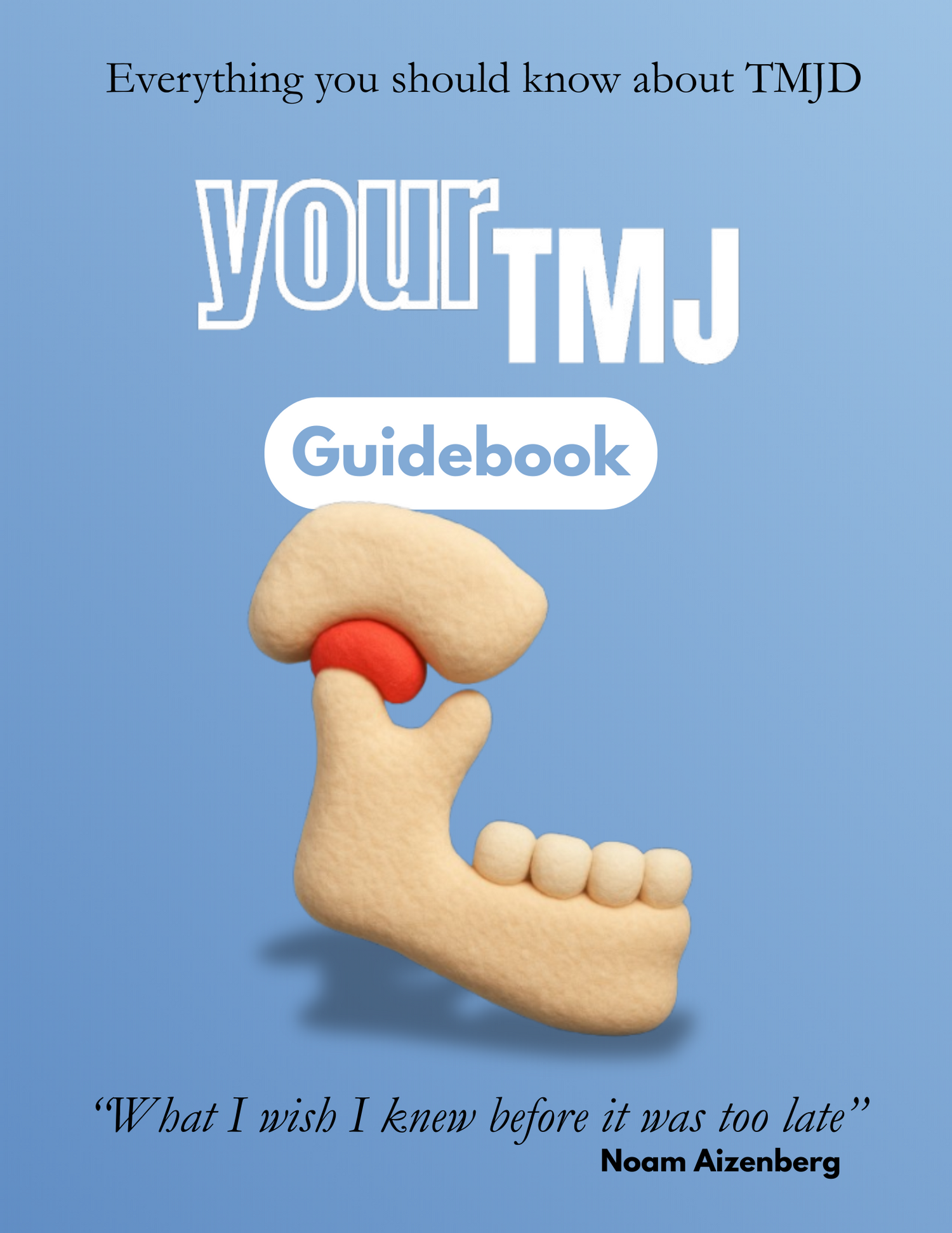
For a significant portion of people, yes. The research suggests that TMD affects somewhere between 5 and 30 percent of the population at any given time, with symptoms that can wax and wane across years or even decades. Some people have one episode and never deal with it again. Others cycle through periods of relative calm followed by flare-ups. The yourTMJ Guidebook puts it well: the joint is incredibly adaptable, and that adaptability works both ways. It can recover, but it can also revert if the conditions that caused the problem come back.
Can TMJ come back after years of no symptoms?
Absolutely, and this surprises a lot of people. You can go two or three years feeling completely fine, then a stressful few months at work, a change in your sleep position, or even new orthodontic treatment can reactivate symptoms in a joint that was previously adapting well. The disc, ligaments, and muscle patterns do not reset to factory settings just because you felt better for a while. The good news is that someone who has dealt with TMJ before and learned how it works tends to catch a relapse early, before it spirals into something more serious. If you want a deeper look at what full recovery actually means, the post on whether the TMJ ever fully heals is worth reading.
How do I know if my TMJ is flaring up again or just normal soreness?
A few signs point specifically to a TMJ relapse rather than general jaw soreness. Returning clicking or popping that had gone quiet is a clear signal. So is jaw stiffness in the morning, a feeling of fullness or aching in the ear, or tension headaches that spread from the temples. If pressing on the little bump just in front of your ear reproduces the pain, the joint is involved. General soreness from, say, eating something too chewy for one meal tends to resolve within a day or two. Recurring, patterned symptoms that show up over multiple days are worth taking seriously.

What does the long-term prognosis for TMJ disorder look like?
The TMJ long-term prognosis is genuinely better than most people expect, especially when compared to other chronic joint conditions. The majority of TMD cases improve with conservative care, and even people with structural joint changes like disc displacement can live pain-free for years if they manage their habits and keep the joint moving. The harder truth is that "fully healed" in the structural sense is rare for people who have had significant disc displacement or joint degeneration. Functionally healed, meaning pain-free and without limitations in daily life, is very achievable. The article on whether TMJ can be cured lays this out honestly without sugarcoating it.
What can I do to prevent TMJ from returning?
The short answer is: keep doing the things that helped it improve, even when it feels fine. The most effective long-term prevention comes down to jaw posture (keeping the condyle slightly forward during rest rather than jammed back), reducing clenching habits, not completely dropping your jaw exercises once pain disappears, and managing stress in a way that does not end up in your jaw muscles. Movement is especially important. One of the biggest reasons joints relapse is that people stop mobilizing them once the pain goes away. Consistent, low-load movement keeps inflammation down, prevents scar tissue buildup, and maintains the muscle balance that holds everything in place. The TMJ Tutorials That Change Lives page is a good place to bookmark for ongoing maintenance exercises.
Does TMJ treatment need to be ongoing, or is there a finish line?
For most people, there is not a clean finish line, and expecting one is actually part of what sets people up for relapse. The more useful mental model is treating TMJ like you would treat any other chronic structural issue, which means a period of active recovery followed by a lower-effort maintenance phase that never fully stops. That maintenance does not have to be intense. It might mean a few minutes of jaw mobilization a few times a week, checking in on your resting jaw posture periodically, and knowing your personal relapse triggers well enough to catch a flare early. If a flare does come back, reaching back into the tools and exercises that helped before is almost always the right first move before escalating to anything more involved. For a comprehensive breakdown of every conservative option available, the free yourTMJ Guidebook covers everything from posture mechanics to manual therapy techniques in one place.
Follow along on Instagram for daily TMJ tips, and check out the YouTube channel for guided exercises and real patient stories that make the maintenance side of TMJ a lot more manageable.