
TMJ and Anxiety: Does One Cause the Other?
Anxiety and TMJ run in a two-way feedback loop. Learn whether anxiety causes TMJ, how jaw clenching connects to mental health, and how to break the cycle at home.

Anxiety and TMJ disorder feed each other in a two-way loop. Anxiety triggers jaw clenching and muscle tension that stress the temporomandibular joint, while living with chronic jaw pain raises anxiety levels in return. Research links psychological stress to increased TMJ symptoms, making mental health a genuine piece of the TMJ puzzle.
If you've ever noticed your jaw tightening during a moment of stress or dread, you're not imagining it. The relationship between anxiety and TMJ is real, documented, and a lot more layered than most search results let on, which is exactly why it deserves its own dedicated FAQ.

Does anxiety cause TMJ?
Anxiety does not directly cause structural TMJ damage the way, say, a physical injury or jaw misalignment might. What it does is create the conditions for TMJ problems to develop or get worse. Anxiety tends to show up in the body as persistent muscle tension, and the jaw is one of the most common places that tension collects. Over time, a chronically tense jaw can overload the joint, irritate surrounding muscles, and set off the cascade of symptoms we recognize as TMJ disorder.
According to a Temporomandibular Disorders overview from the Cleveland Clinic, emotional stress and anxiety are recognized contributing factors to TMD alongside physical causes like bite problems and joint injury. So while anxiety alone probably will not wreck your jaw, it is a real and meaningful risk factor, especially if you are already predisposed.
Can TMJ make anxiety worse?
Yes, and this is the part most articles skip over. Chronic pain of any kind elevates baseline anxiety levels. When your jaw hurts every morning, when you cannot eat comfortably, when you are losing sleep because of facial tension or tinnitus, your nervous system stays in a low-grade fight-or-flight state. That heightened stress response then feeds right back into jaw clenching and muscle tension, tightening the loop.
If you want to understand more about what living with TMJ actually feels like on a daily basis, this breakdown of what TMJ disorder feels like is a good place to start.
What is the TMJ anxiety loop?
The TMJ anxiety loop is the feedback cycle where anxiety causes physical tension in the jaw, that tension worsens TMJ symptoms, and worsening symptoms increase anxiety, which then causes more tension. It is not dramatic or sudden. It is a slow, grinding cycle that most people do not even recognize as a loop because each piece seems like a separate problem.
Breaking the loop usually requires working on both ends at once. Treating only the jaw without addressing anxiety tends to produce short-lived results, and addressing anxiety without doing anything for the jaw leaves the physical problem in place. The good news is that a lot of the at-home habits that help TMJ also help anxiety, so the two treatment paths overlap more than you might think.
Does anxiety cause jaw clenching?
Anxiety and jaw clenching are tightly linked. When the nervous system perceives threat or stress, muscles throughout the body tighten involuntarily. The masseter (the big chewing muscle along the side of your jaw) and the temporalis (the muscle that runs up to your temple) are especially prone to holding tension during anxious states. Most people do not even realize they are clenching until someone points it out or they notice soreness after a stressful day.
Daytime clenching driven by anxiety is different from nighttime grinding (bruxism), which tends to be more reflexive and tied to sleep and airway dynamics rather than conscious worry. Both are hard on the joint, but daytime clenching is the one anxiety most directly controls. This article on the stress-TMJ connection goes deeper into how emotional states translate into physical jaw habits.
How do I know if my jaw pain is anxiety-related?
A few patterns suggest an anxiety connection. Pain that is worse on high-stress days, jaw soreness that builds throughout the workday (especially during difficult tasks or conversations), tension that lives in your temples or behind your cheekbones, and a general sense of holding your teeth together when you concentrate, these are all signs that anxiety is a driver. If your jaw feels noticeably better on calm, low-demand days, that is a meaningful signal.
That said, anxiety-related jaw tension rarely shows up in complete isolation. Most people have some combination of postural habits, bite mechanics, and stress response all contributing at once. Getting a proper picture from a TMJ-informed clinician is worth it if the pain is significant. The NIH NIDCR guide to TMJ disorders gives a clear overview of how TMD is evaluated and diagnosed.
Can anxiety worsen TMJ that already exists?
Absolutely, and this is where things get clinically important. If you already have disc displacement or joint irritation, anxiety-driven clenching dumps extra force onto tissue that is already compromised. The masseter is considered the strongest muscle in the human body by weight, and when it fires repeatedly under anxious tension, that force has to go somewhere. If the articular disc is already displaced or the retrodiscal tissue is already inflamed, that extra load can accelerate symptoms significantly.
This is also why TMJ tends to flare during big life stressors like job changes, relationship strain, or illness. The underlying joint problem may stay relatively quiet for months, then spike hard during a high-anxiety period. It is not a coincidence.
What does mental health have to do with TMJ long-term?
The research in this area is growing, and the picture is consistent: people dealing with anxiety disorders, depression, or chronic psychological stress tend to have worse TMJ outcomes and longer recovery timelines. The nervous system plays a major role in how pain is amplified or dampened, and a chronically anxious nervous system is one that tends to amplify pain signals rather than quiet them.
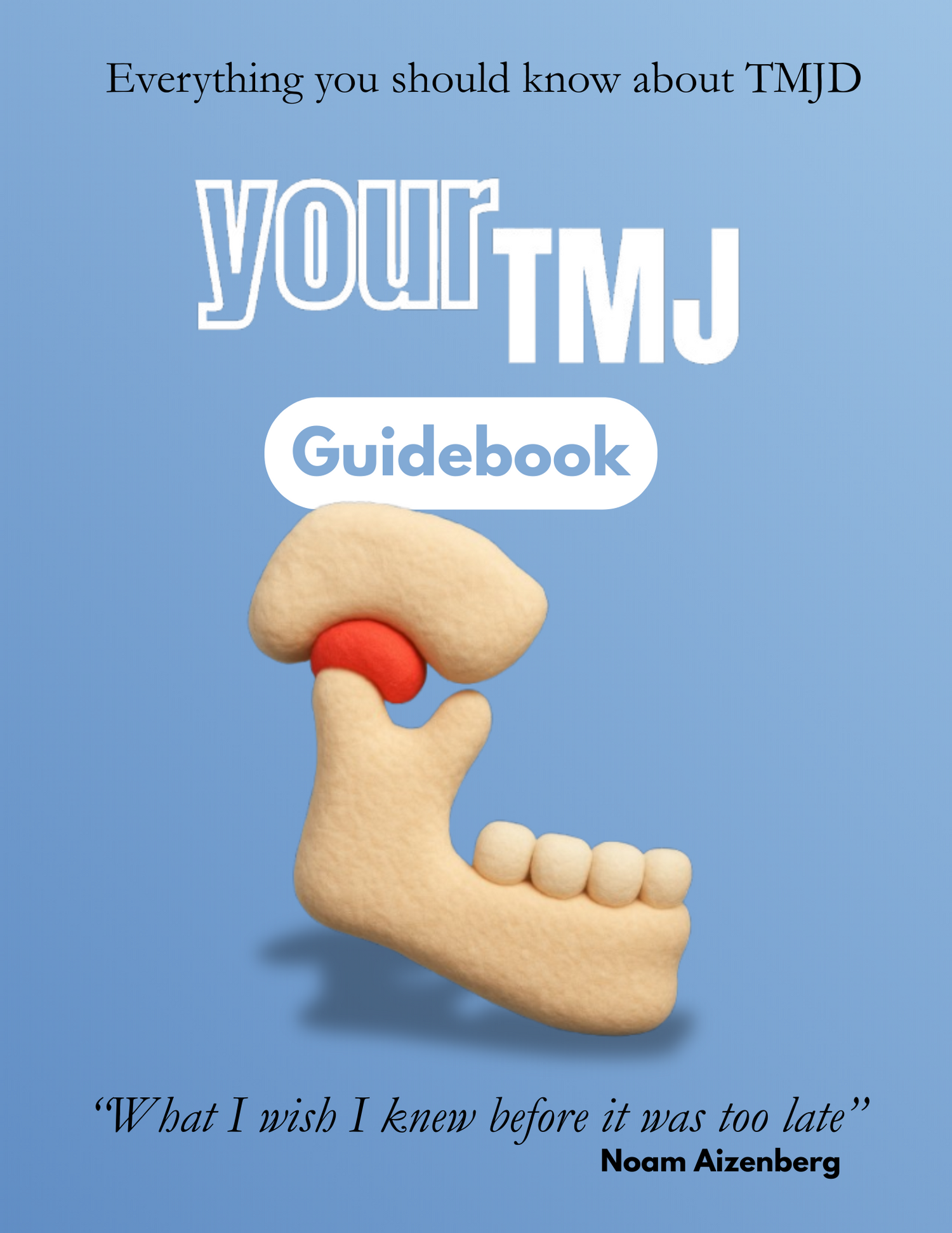
This does not mean TMJ is "all in your head." The physical joint changes are real, measurable, and matter. But mental health and TMJ are genuinely part of the same system, not separate problems. Understanding that connection is one of the most useful things you can do as a patient. The full yourTMJ Guidebook covers the entire web of factors, including psychological ones, that contribute to TMD.
What can I do at home to break the anxiety-TMJ cycle?
The practical answer involves habits that address both sides of the loop. On the jaw side, the single most impactful change is learning to rest your jaw with your lower jaw slightly forward (about 2 to 4mm), lips closed, tongue on the roof of your mouth, and teeth apart. This keeps pressure off the back of the joint, and since you physically cannot clench your back molars together while holding your jaw in that forward position, it also acts as a built-in brake on the clenching habit. Pairing this with regular jaw exercises and some daily heat and self-massage helps manage the muscle tension that anxiety keeps generating.

On the anxiety side, habits like diaphragmatic (belly) breathing, body scan check-ins throughout the day, and setting a recurring reminder to consciously drop your jaw and unclench all make a meaningful difference. Some people find that just becoming more aware of their clenching habit, noticing it when it happens rather than running on autopilot, is enough to start reducing it. These at-home exercises for TMJ relief are a good place to start building a consistent jaw routine.
Should I treat my anxiety or my TMJ first?
Both, ideally, and as simultaneously as you can manage. Waiting until anxiety is fully resolved to start working on the jaw means the physical tension keeps loading the joint in the meantime. Waiting until the jaw is fixed before addressing anxiety means the mental driver of clenching stays in place. The most effective approach treats them as connected problems with overlapping solutions.
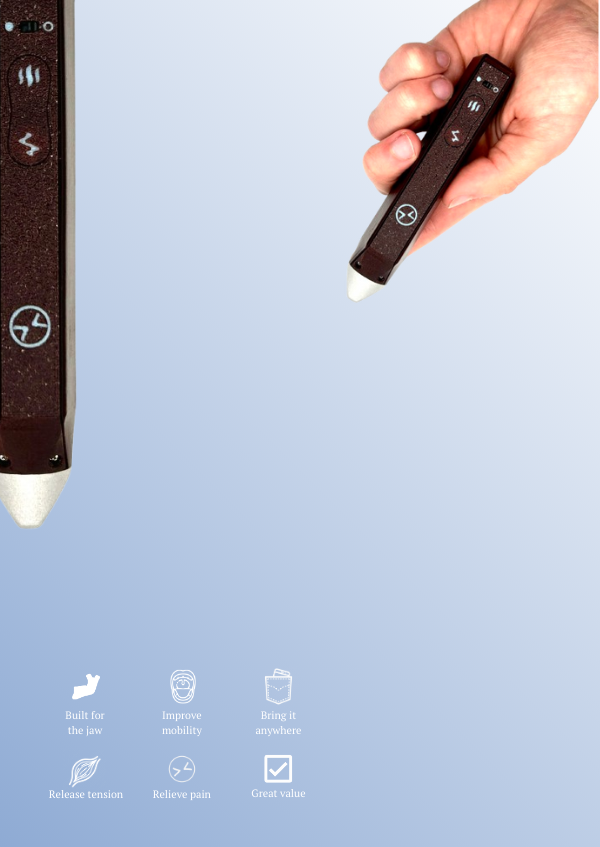
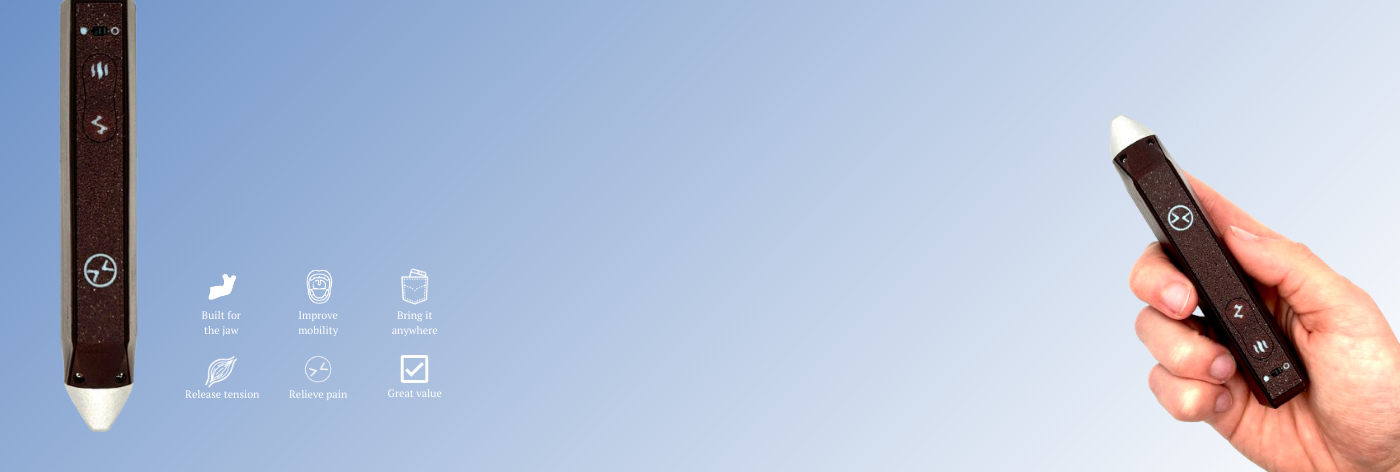
For at-home management, heat therapy and self-massage are genuinely useful tools for breaking the muscular side of the anxiety-TMJ loop day to day. The yourTMJ Pen is built specifically for this kind of routine use, combining targeted heat and vibration to help release the masseter and temporalis tension that anxiety keeps building up. It is not a cure, but as a daily habit sitting alongside jaw posture work and anxiety management, it fits well into the kind of consistent self-care that actually moves the needle.
Follow us on Instagram and subscribe to the yourTMJ YouTube channel for tutorials, exercises, and real talk about living with and managing TMJ disorder.
Hero photo by SHVETS production on Pexels.