
TMJ and Bruxism: Your Most Common Questions Answered
TMJ and bruxism are closely connected but not the same thing. This FAQ breaks down the bruxism TMJ link, whether grinding causes TMJ, and what actually fixes it.

TMJ and bruxism are closely linked but not the same thing. Bruxism, which is the habit of clenching or grinding your teeth, can both trigger and worsen TMJ disorder by overloading the jaw joint and surrounding muscles. But TMJ problems can also drive bruxism, making it a genuine chicken-and-egg situation that trips up a lot of people searching for answers.
If you have been trying to figure out which came first, or whether fixing one will fix the other, these questions are for you.
What exactly is the connection between TMJ and bruxism?
The temporomandibular joint (the TMJ) is the hinge that connects your lower jaw to your skull, sitting just in front of each ear. Bruxism is the parafunctional habit of clenching or grinding your teeth, usually without any useful purpose. The two intersect because the same muscles that drive bruxism, primarily the masseter and temporalis, are also the muscles that load and compress the TMJ. When those muscles fire harder and more often than they should, the joint bears the consequences. According to a Mayo Clinic overview of TMJ disorders, jaw clenching and grinding are among the recognized contributing factors to TMJ problems.
Does teeth grinding cause TMJ disorder?
It can, but "cause" is too clean a word for what is actually a messy relationship. Grinding forces the condyle (the rounded end of your lower jaw) up and back into the most sensitive parts of the joint, repeatedly and under a lot of pressure. Over time, this can irritate the retrodiscal tissue behind the disc, stretch ligaments, and set off the cascade toward disc displacement. So yes, if grinding is persistent and unaddressed, it absolutely contributes to developing or worsening TMJ disorder. The key word is "contributes." It is rarely the only factor.
What is the difference between clenching and grinding, and which is worse for TMJ?
Grinding (bruxism in the classic sense) involves sliding the teeth back and forth against each other, creating that grating sound you might hear at night. Clenching means biting down hard with the molars in full contact, without the sliding motion. For TMJ health, clenching is generally the more dangerous of the two because it drives the condyle directly backward into the retrodiscal tissue, which is packed with nerves and blood vessels. Grinding causes its own problems, especially wear on the teeth and muscle fatigue, but the sheer compressive force of a hard clench tends to do more direct damage to the joint itself. That said, plenty of people do both, so the distinction can matter less in practice than just stopping both habits altogether.
Can TMJ cause bruxism, or does bruxism cause TMJ?
Both directions are real, which is what makes this so frustrating. Bruxism can trigger TMJ problems by overloading the joint. But an already-unstable TMJ, say one where the disc has shifted slightly out of position, can trigger bruxism too. Research has found that when the condyle pops out of proper alignment with the disc, the masseter and temporalis muscles actually spike in activity to try to stabilize the joint. That extra muscle firing easily turns into clenching and grinding, especially at night. Mayo Clinic's overview of bruxism also notes that sleep bruxism in particular appears to be driven by involuntary neurological patterns rather than pure stress, which means it can persist even after your daytime stress is gone. The honest answer is that by the time most people notice symptoms, both problems are feeding each other.
What does bruxism jaw pain actually feel like?
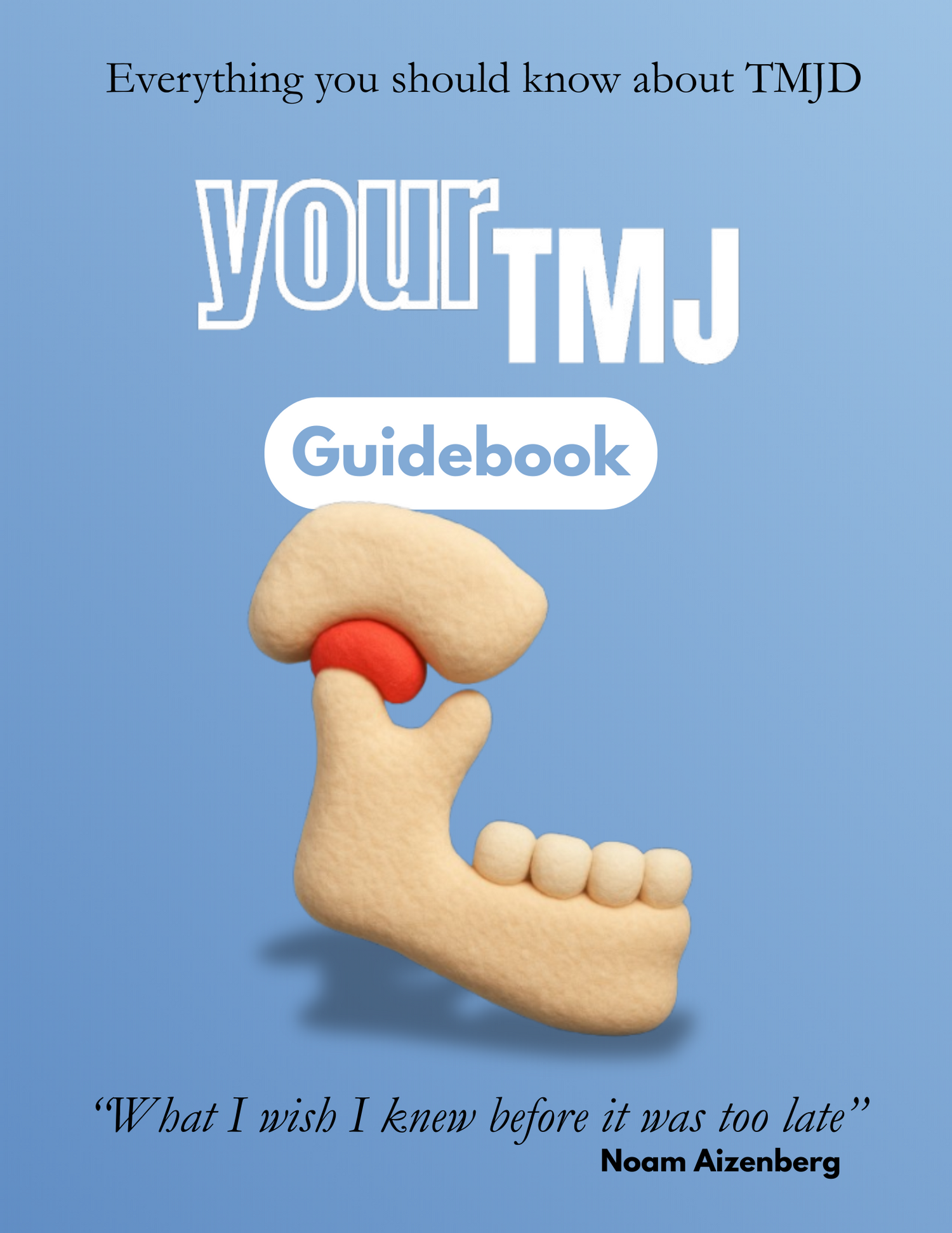
Bruxism jaw pain is almost always muscular in character. Think of a dull, achy soreness across the sides of your face, temples, or even into your neck that tends to be worst first thing in the morning. You might notice your jaw feels stiff or tired when you wake up, like you just finished a hard workout you did not sign up for. This is different from the sharper, more localized pain you get right at the joint itself, which points more to joint compression or disc involvement. Trigger points in the masseter and temporalis muscles can also refer pain into your teeth (making you think you have a cavity when you do not), your ear, or the side of your head. The yourTMJ Guidebook has a useful breakdown of how to distinguish muscle pain from joint pain if you want to dig into the specifics.
Will treating my bruxism fix my TMJ?
Partially, sometimes, and probably not completely on its own. Reducing bruxism removes a major stressor from the joint and gives overworked muscles a chance to calm down. That is a genuinely meaningful improvement. But if the underlying reason you are grinding is because your TMJ is already unstable, a night guard alone is not guaranteed to reposition a displaced disc or rebuild weakened lateral pterygoid muscles. While the right splint can help reposition the jaw and reduce loads on the joint, it does not address all the root causes on its own. Treating bruxism is a necessary piece of the puzzle, not the whole picture. Most people who see lasting improvement combine bruxism management with postural corrections, jaw exercises, and addressing whatever root issue is keeping the joint loaded in the first place. If you are wondering whether your situation can actually get better, the post on whether TMJ goes away is worth reading.
How do I know if my jaw pain is from bruxism or from TMJ itself?
A rough test is to notice when and where the pain shows up. If it is worst in the morning and feels like general muscle ache across your face and temples, bruxism-driven muscle tension is the more likely culprit. If you feel sharp pain right at the joint (that small bump just in front of your ear) when you open your mouth or bite down, the joint itself is probably involved. Of course, many people have both happening at the same time, which is why the symptoms blur together. Pressing on the masseter muscle (the big one that bulges when you clench) and the temples to find tender spots is a quick way to confirm muscle involvement. If those spots are sore, bruxism is almost certainly in the mix.
Can I have bruxism without having TMJ disorder?
Yes, and this is actually pretty common. Plenty of people grind or clench heavily for years without developing significant joint problems, because their anatomy, bite, and habits do not combine in a way that loads the joint badly enough to cause degeneration. The TMJ is a resilient joint, and for a lot of people, the body adapts. That said, even without classic TMJ disorder, chronic bruxism will wear down tooth enamel, overwork the masseter muscles, and cause plenty of headaches and facial soreness. It is worth addressing regardless of whether a disc problem has developed yet. Think of untreated bruxism as a slow drain on your jaw system, even if the joint is currently holding up fine.
Should I see a dentist or a doctor for bruxism that might be linked to TMJ?
Ideally, someone who understands both sides of the equation. A general dentist can spot tooth wear from grinding and fit you with a night guard, but many have limited training in the joint mechanics behind TMJ disorder. An orofacial pain specialist (officially recognized as a dental specialty since 2020) is trained to look at the whole picture, including the joint, the muscles, and the bite. Physical therapists with a TMJ focus are also genuinely helpful for the muscle and postural side of things. If you want to understand what kind of practitioner to look for and what questions to ask, the yourTMJ Guidebook covers the full landscape of treatment options and what to watch out for when choosing someone to work with.
Is there anything I can do at home right now?
Quite a bit, actually. Postural corrections, specifically learning to keep your lower jaw slightly forward so your condyle is not jammed into the back of the joint, are one of the highest-impact changes you can make for free today. Releasing tension in the masseter and temporalis through gentle self-massage and heat helps manage the day-to-day muscle pain that comes with bruxism. There are also specific jaw exercises that strengthen the muscles responsible for proper jaw position, which can reduce the instability that drives nighttime clenching. The Easiest Exercises for TMJ Disorders post is a solid starting point, and the TMJ Tutorials That Change Lives page has guided video walkthroughs if you learn better by watching.
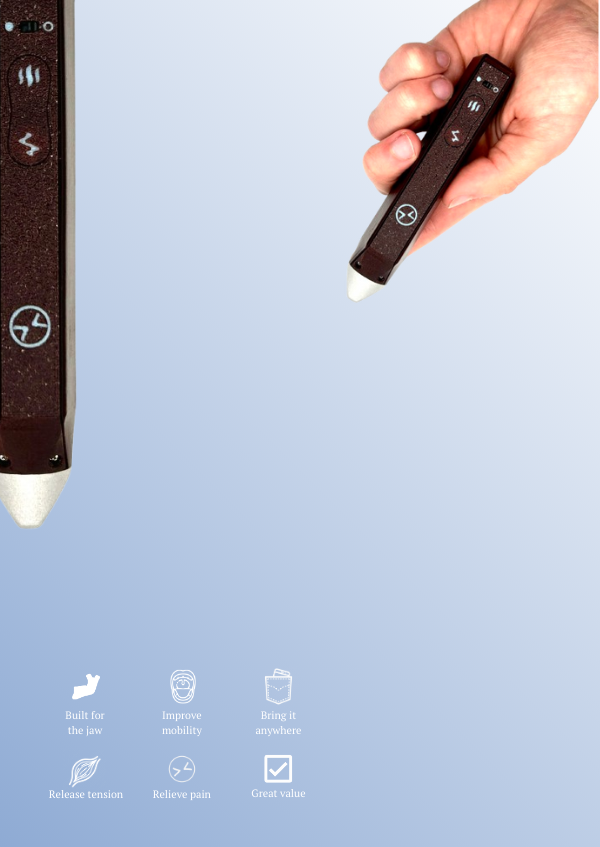
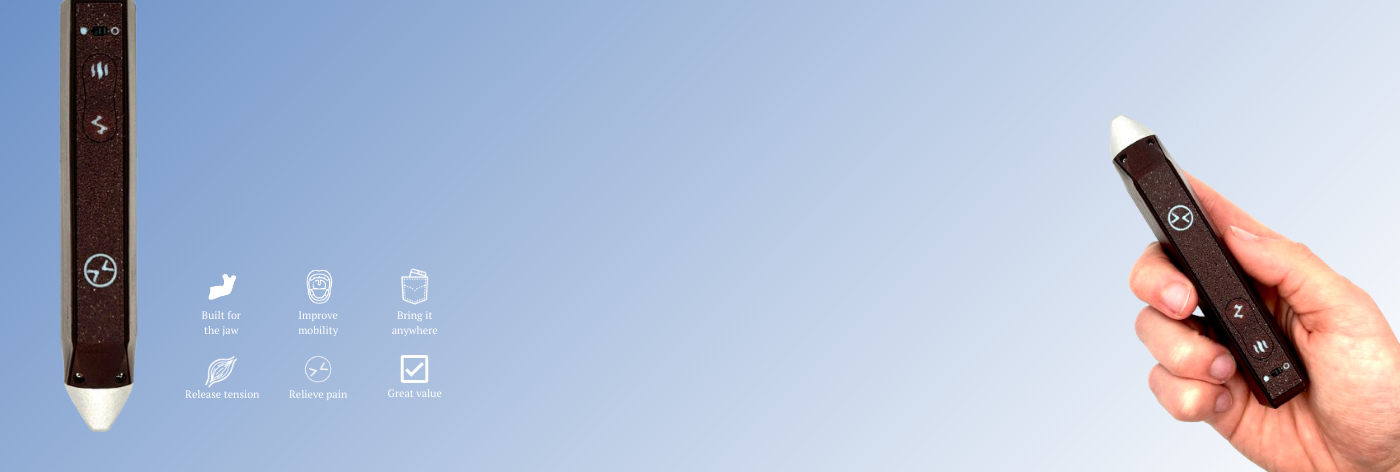
For days when the muscle tension from bruxism is really flaring, a tool that combines heat and targeted massage directly on the jaw muscles can make a real difference in managing pain between exercise sessions. The yourTMJ Pen was designed specifically for this, applying therapeutic heat along with deep tissue pressure to the masseter and surrounding muscles in a way that most generic devices simply cannot reach.
Follow along on Instagram for daily tips on managing jaw pain, and check out the YouTube channel for video tutorials that walk you through the exercises and manual therapy techniques mentioned in this post.