
TMJ Headache: What It Feels Like and Where It Hurts
A TMJ headache feels different from a migraine or tension headache. Learn where the pain shows up, what causes it, and how to tell the difference.

A TMJ headache is typically a dull, aching pain that starts around the jaw joint or the temples and spreads across the side of the face or head. It comes from overworked jaw muscles, not the brain itself, and it often shows up alongside other TMJ symptoms like jaw clicking, jaw tension, or ear pressure.
What a TMJ Headache Actually Feels Like
If you've been dealing with chronic headaches and nobody can tell you why, your jaw might be the place to look.
TMJ headaches tend to feel like a constant, nagging ache rather than a sharp or throbbing pain. Most people describe it as pressure around the temples, behind the eyes, or along the sides of the head. It can feel a lot like a tension headache, which is part of why it gets missed for so long.
The pain often gets worse in the morning (especially if you clench at night), after long periods of stress, or after eating a tough meal. If you press on the muscles around your temples or jaw and the headache flares up, that's a pretty clear signal you're dealing with a muscular TMJ headache and not something else.
You might also notice that what TMJ feels like is a whole cluster of symptoms at once: jaw soreness, ear fullness, clicking, and yes, the headache. They tend to travel together.
Where Headaches from TMJ Actually Show Up
This is where things get interesting, and confusing.
The main muscle responsible for TMJ headaches is the temporalis. It's one of the two big chewing muscles, and as the name suggests, it runs up into your temples. When you clench your teeth or overload the jaw, the temporalis gets overworked and tight. Over time, it develops what are called trigger points, which are small knotted spots in the muscle that send pain outward to other areas.
Here's where those trigger points can refer pain:
- Temples (most common, that classic pounding-temples feeling)
- Behind the eyes
- The forehead
- Upper teeth (yes, jaw muscle pain can feel like a toothache)
- Side of the head
The masseter, the big muscle on the side of the jaw, can also refer pain upward toward the cheekbones and around the ears.
This referred pain pattern is why TMJ headaches are so disorienting. You're pressing on your temples wondering if it's a migraine, when the real source is down in your jaw. The nervous system is complicated like that.
TMJ Headache vs Migraine vs Tension Headache
This is probably the most useful thing to know, because the three get mixed up constantly.
TMJ Headache
Originates in the muscles of the jaw and face. Usually dull and aching, often worse in the morning or after chewing. Pressing on the temples or jaw muscles will reproduce or worsen the pain. It rarely comes with nausea or light sensitivity on its own. It responds to jaw-focused treatments like heat, muscle release, and posture work.
Tension Headache
Also dull and band-like, usually felt across the forehead or the back of the head. Tension headaches often come from neck and shoulder muscle tightness. They can overlap with TMJ headaches significantly, especially since forward head posture (common in TMJ patients) loads both the neck and jaw muscles at the same time.
Migraine
A migraine is a neurological event, not a muscle event. According to the Mayo Clinic overview of migraines, migraines typically involve throbbing pain on one side of the head, nausea, vomiting, and sensitivity to light and sound. Some people also experience an "aura" before the headache begins. TMJ headaches don't typically come with those features, though a bad TMJ flare can sometimes trigger a migraine in people who are already prone to them.
The fastest way to tell them apart: press into the temporalis muscle (at your temples) and the masseter (along your jaw). If pressing on those muscles reproduces or amplifies your head pain, you're almost certainly dealing with a TMJ headache.
What Actually Causes Headaches from TMJ
The short version: your jaw muscles are chronically overworked, and they're sending pain signals outward.
The longer version involves a few things working together.
First, many people with TMJ disorder carry tension in the jaw without realizing it. Daytime clenching, nighttime grinding (bruxism), and a retracted jaw posture all load the masseter and temporalis constantly. These muscles never get a real break. They tighten, develop trigger points, and start radiating pain into the head.
Second, disc problems in the joint itself create instability, and according to a Cleveland Clinic overview of temporomandibular disorders, that instability causes the surrounding muscles to compensate by working harder. More compensation means more muscle tension, which means more referred pain up into the head.
Third, forward head posture, which is extremely common in TMJ patients, puts extra strain on the neck muscles. Those neck muscles connect to the base of the skull and can contribute to headaches from the back of the head forward.
All of this means that TMJ headaches usually aren't just one thing going wrong. They're the result of a system that's been under load for a long time.
What You Can Do About TMJ Headaches
Before you reach for ibuprofen again, it's worth addressing the source.
A few things that actually help:
Heat on the jaw muscles. Applying heat to the masseter and temporalis relaxes the muscle fibers, improves blood flow, and can interrupt the pain cycle. Use it for 10 to 15 minutes on each side. This won't fix the underlying problem, but it gives real relief during a flare.
Jaw posture awareness. Resting with your lower jaw slightly forward (just 2 to 4 millimeters), lips closed, teeth slightly apart, and tongue on the roof of your mouth removes the backward compression from the TMJ that drives muscle overload. It sounds small. It makes a big difference.
Muscle releases and jaw exercises. There are specific exercises that target the temporalis and masseter trigger points directly. You can find a solid starting point in these exercises for TMJ disorder that are approachable enough to do at home.
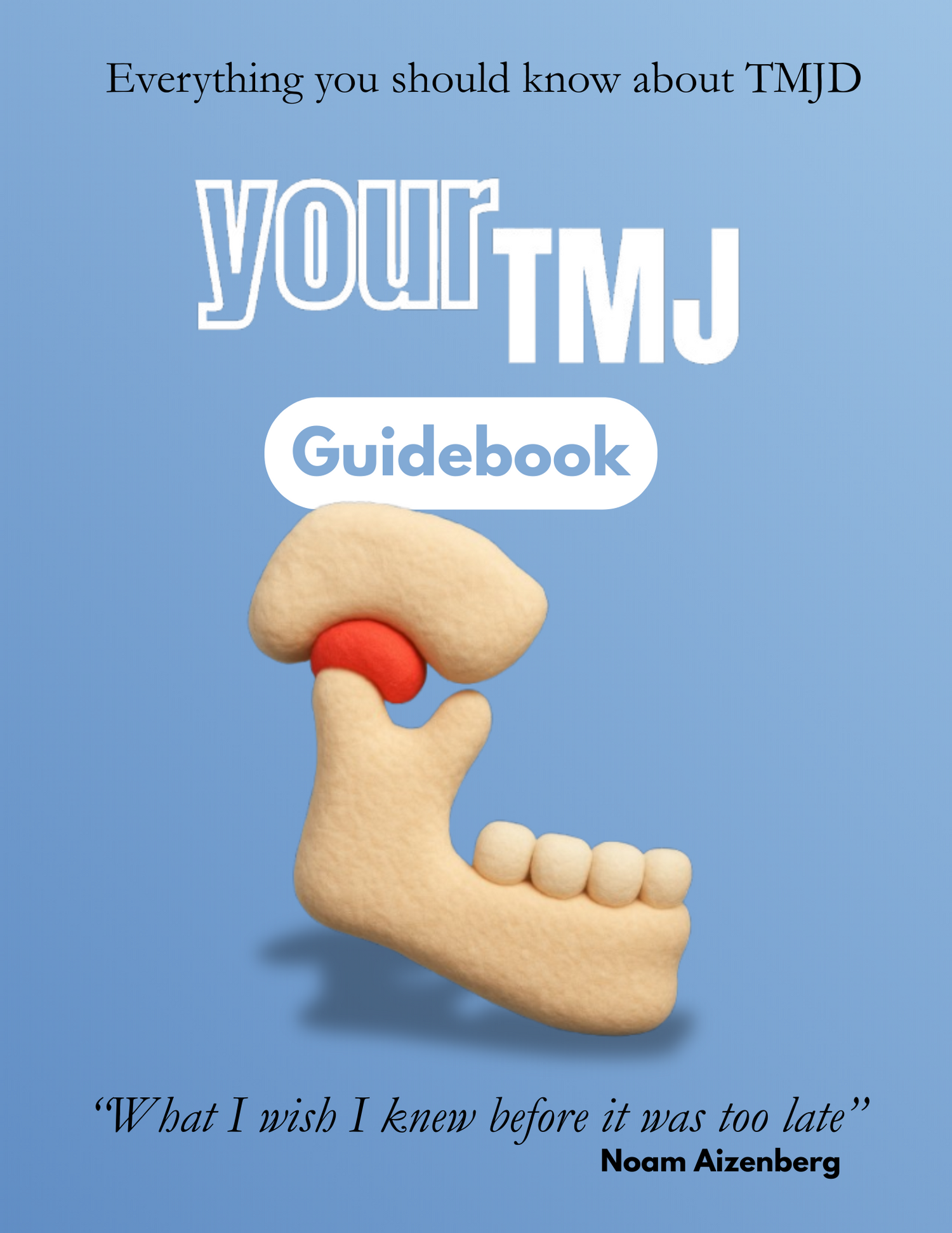
Address clenching. Clenching and grinding are two of the biggest drivers of TMJ headaches. If you're waking up with jaw soreness and head pain, bruxism is probably involved. The yourTMJ Guidebook has a thorough breakdown of how clenching fits into the bigger picture and what you can actually do about it.
Check your neck posture. Forward head posture loads both the cervical spine and the jaw. Pulling your head back over your shoulders, even a little, reduces the pull on the hyoid muscles and relieves some of the backward pressure on your jaw joint.
For more specific guidance on getting relief, the post on how to relieve TMJ covers a lot of the same ground with more detail.
The Bottom Line
TMJ headaches are real, they're common, and they're massively underdiagnosed. If you've been treating what you thought were tension headaches or TMJ migraines without much luck, it's worth taking a closer look at your jaw. The temporalis and masseter muscles are often the hidden source of chronic head pain that nobody connected to the jaw because no one thought to check.
Once you start addressing the jaw, a lot of people find their headache frequency drops significantly, sometimes within a few weeks of consistent effort.
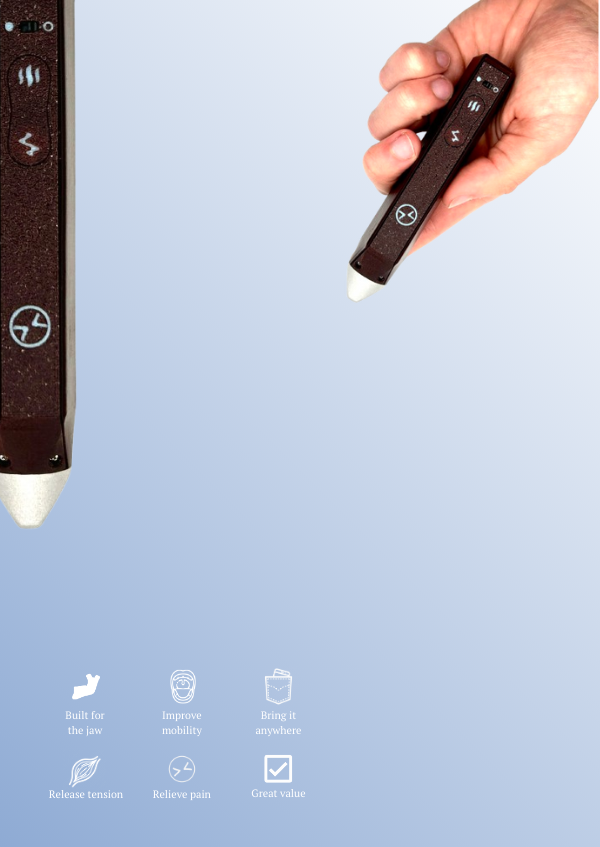
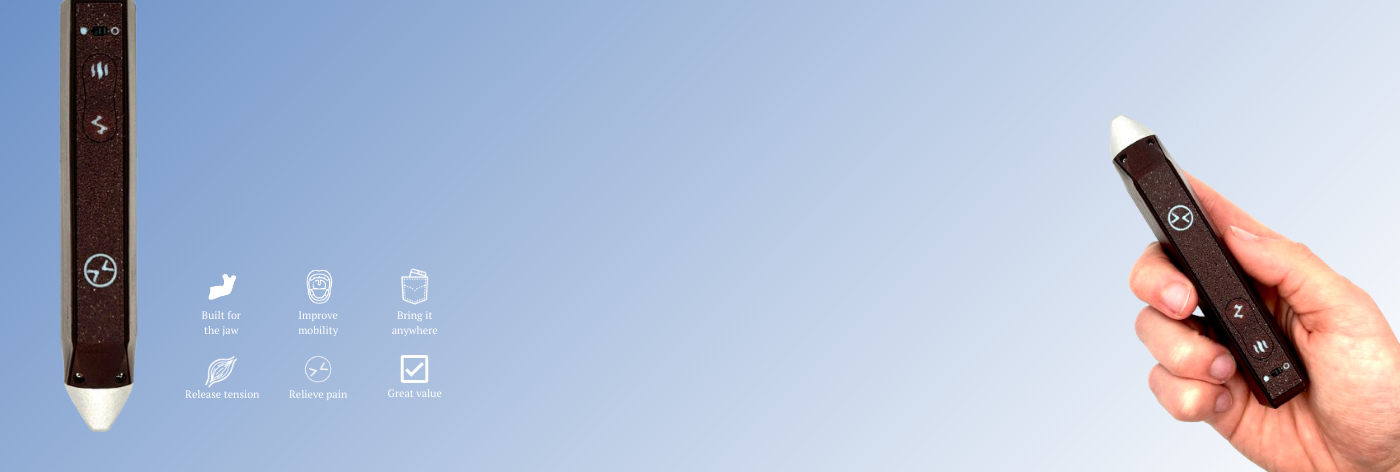
If you want a tool to make the day-to-day muscle work easier, the yourTMJ Pen was designed specifically to deliver heat and targeted pressure into the jaw muscles that contribute to TMJ headaches. It's not a cure, but for managing the pain while you work on the root cause, it's genuinely useful.
Follow along on Instagram and the YouTube channel for tutorials, exercises, and more real talk about living with TMJ disorder.