
Best TMJ Mouth Guard Options: 6 Types Ranked for Jaw Pain
Looking for the best TMJ mouth guard? This guide ranks 6 types by how well they actually work for jaw pain, clicking, and bruxism relief.

A TMJ mouth guard works by changing how your lower jaw sits at rest, which takes pressure off the joint, reduces muscle overload, and gives your jaw system a chance to calm down. The key word is "works" because not every mouth guard for TMJ is built with the joint in mind. Some are genuinely useful, some are fine for grinding but useless for joint pain, and a couple can actually make things worse if used carelessly.
Before jumping to a specific type, it helps to know what you're actually dealing with. If your main problem is nighttime clenching and sore muscles in the morning, your needs are different from someone who has a disc displacement with clicking or locking. The right mouthguard for TMJ matches the mechanism of your pain, not just the symptom. That distinction will save you a lot of money and frustration.
Here are six types ranked by how broadly useful and safe they are for TMJ disorder, from most to least recommended.
1. Custom Full-Coverage Hard Acrylic Splint
This is the closest thing to a gold standard in TMJ splint therapy, and for good reason. A full-coverage hard splint (sometimes called a flat-plane stabilization splint) is custom molded to your teeth by a dentist or orofacial pain specialist, covers all upper or lower teeth evenly, and creates a stable bite surface that reduces uneven loading across the joint. It does not permanently shift your bite, which is exactly what you want, since reversibility is critical in TMJ treatment. According to TMJ disorders - Mayo Clinic, conservative and reversible treatments like oral splints are among the first-line approaches recommended before anything more invasive. If budget allows and you have access to a knowledgeable provider, this is where to start.

2. Anterior Repositioning Splint
If you have a disc displacement (the classic clicking jaw that pops when you open and close), an anterior repositioning splint can be genuinely helpful. It holds the lower jaw slightly forward, which keeps the condyle seated under the disc instead of riding on the sensitive tissue behind it. The goal is to let that retrodiscal tissue thicken and toughen over time while the disc sits in a better position. The catch is that this type of splint requires a skilled provider who actually understands TMJ mechanics, and it should not be worn all day every day for months without reassessment, since prolonged use can shift your bite in ways that are hard to reverse. Used correctly, though, it is one of the few mouth guards that directly addresses the structural source of clicking and early-stage joint degeneration.
3. NTI Device (Front Teeth Only Contact)
The NTI splint covers only the front two teeth and creates a small ramp that prevents the back molars from ever making full contact. The theory is that by reducing molar contact, you reduce the reflex that drives clenching. It works for some people, especially for tension headaches linked to nighttime bruxism. The serious downside is that any appliance covering only some teeth can cause the uncovered teeth to shift over time if worn consistently, and this bite change can actually worsen joint positioning. The NIH guidance on splint therapy specifically cautions against partial-coverage appliances for long-term use for exactly this reason. If a dentist recommends an NTI, have a clear conversation about duration limits and monitoring.
4. ClenchRelief-Style Forward-Positioning Night Guard
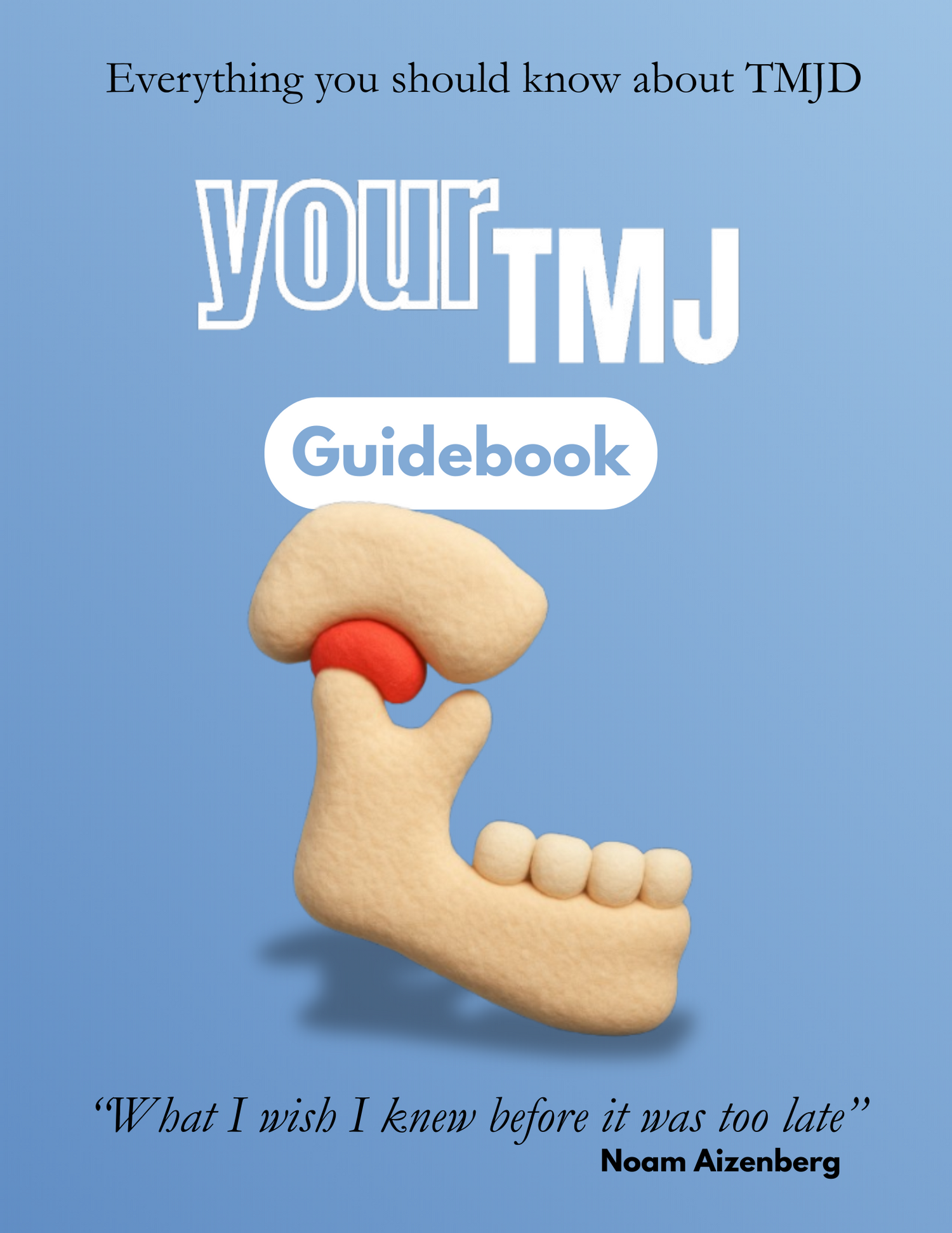
This category is worth calling out because it represents a smarter budget option than most over-the-counter products. Devices like ClenchRelief use a small plastic positioner to hold the jaw slightly forward (about 2 to 4mm) while a putty mold sets around your teeth. You end up with a custom-ish fit that keeps the condyle away from the back of the joint socket, which is the same mechanical principle behind an anterior repositioning splint but at a fraction of the cost. It only covers the molars, so long-term all-day use is not ideal, but for nighttime relief it is a genuinely reasonable starting point. If you want to understand the posture logic behind why jaw position matters so much, the yourTMJ Guidebook goes deep on this topic and is free to read.
5. Soft Night Guard (Over the Counter)
Soft boil-and-bite night guards are everywhere and they feel comfortable, which is basically their main selling point. For pure teeth protection against grinding, they do an okay job. For actual TMJ pain relief, they are limited at best. A soft guard does not reposition the jaw, does not reduce muscle hyperactivity, and because of its cushioned texture some people actually clench harder on it. If your TMJ symptoms are mostly muscular soreness from nighttime grinding and you are waiting to see a dentist, a soft OTC guard is better than nothing. Just do not expect it to address clicking, ear pain, or disc-related symptoms.

6. Generic Boil-and-Bite Hard Guard
Hard boil-and-bite guards are one step up from soft ones in that they do not encourage extra clenching, but they carry their own problem: the fit is never precise enough to create even tooth contact across the whole arch. You end up with a handful of contact points taking all the force, which can actually create new bite imbalances and muscle compensations over time. For someone with existing TMJ disorder, uneven bite contact is exactly what you are trying to avoid. These are sold everywhere and marketed broadly as TMJ solutions, but for anyone with real joint symptoms, a custom appliance is worth the extra cost. If cost is a barrier, exploring how to relieve TMJ symptoms with at-home conservative methods while saving for a custom appliance is a smarter path than relying on a poorly fitting generic guard.
Where Mouth Guards Fall Short
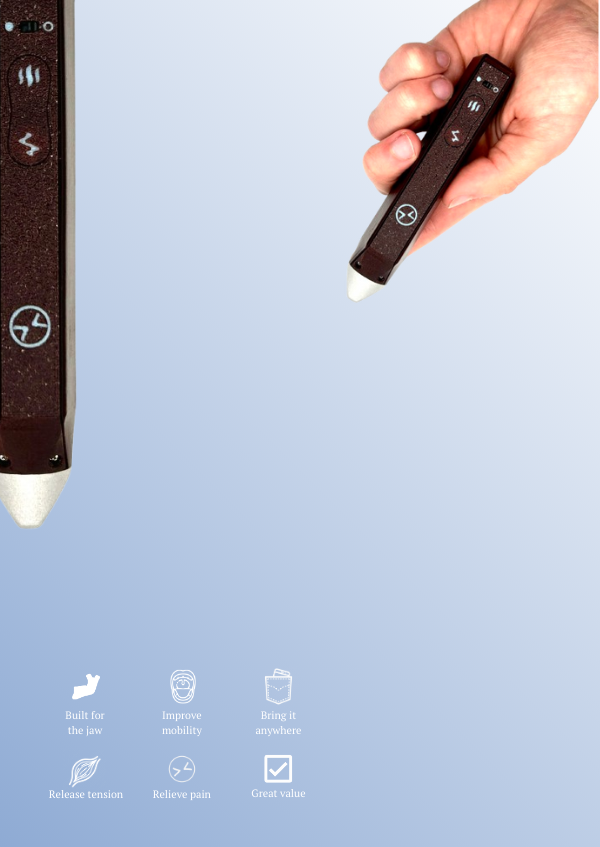
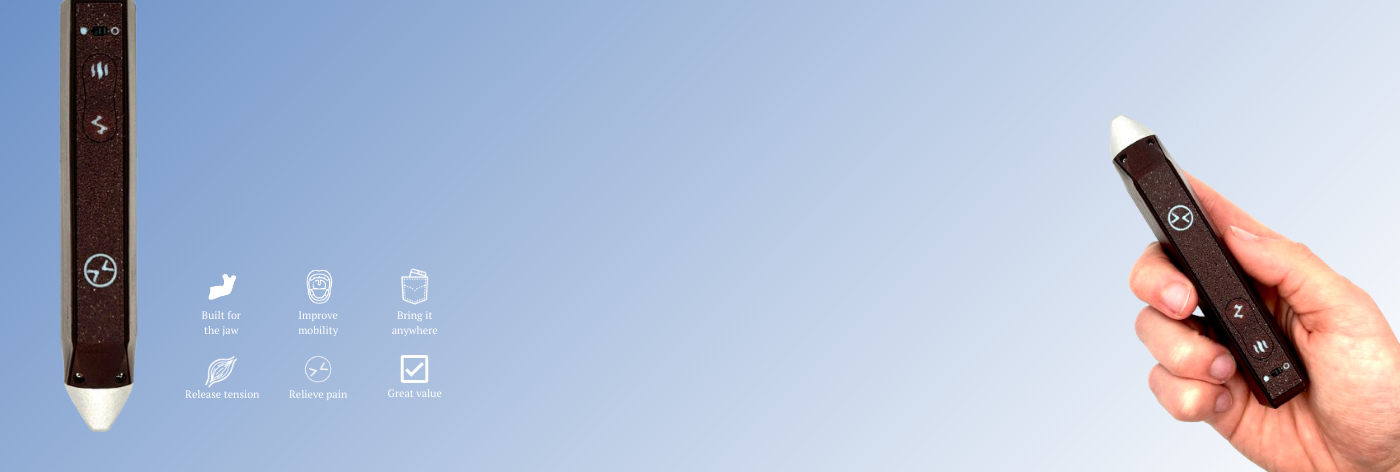
It is worth being honest about what even the best TMJ mouthguard actually does. It manages symptoms and reduces some of the mechanical load on the joint. It does not fix disc displacement, rebuild worn cartilage, or retrain weak jaw muscles. For most people, a splint works best as part of a broader routine that includes exercises for TMJ disorder, posture correction, and daily muscle management. If your jaw is in a lot of pain during the day as well as at night, daily heat and massage of the masseter and pterygoid muscles can make a real difference alongside whatever appliance you are using. The yourTMJ Pen is worth knowing about here, since it heats to the temperature range needed for actual muscle pain relief (above 104F) while letting you apply targeted pressure to the jaw muscles, something a generic heating pad cannot do.
How to Pick the Right TMJ Mouth Guard for You
Start by figuring out your primary problem. If it is nighttime clenching with morning muscle soreness and no joint clicking, a flat-plane custom stabilization splint from a dentist is your best call. If you have clicking, locking, or a diagnosed disc displacement, push for a provider who understands anterior repositioning and can monitor your joint response over time. If budget is the constraint, a forward-positioning device like ClenchRelief is a smarter choice than a random soft boil-and-bite guard. Whatever you choose, watch for warning signs: if your bite feels different after a few weeks, if you are clenching more, or if pain increases, stop wearing it and get it reassessed. The best TMJ mouth guard is the one your jaw actually tolerates and that a knowledgeable provider has fitted for your specific anatomy, not the one with the best Amazon reviews.
For a deeper breakdown of how splints fit into the full picture of TMJ treatment, the yourTMJ Guidebook covers everything from joint anatomy to at-home manual therapy in plain language.
Follow along on Instagram and the YouTube channel for tutorials, product tips, and real talk about living with TMJ disorder.