What Is Lockjaw? TMJ vs Tetanus Lockjaw Explained Simply
Wondering what is lockjaw? It can mean two very different things. Learn the lockjaw meaning, what causes it, and how TMJ-related lockjaw differs from tetanus.

Lockjaw is a condition where the jaw muscles seize up and limit how far you can open your mouth, sometimes to the point where you can barely open it at all. It can be caused by a bacterial infection called tetanus, but far more commonly it is caused by TMJ disorder or a jaw muscle condition called trismus. The two are very different, and mixing them up leads to a lot of confusion.
Lockjaw Meaning: Why the Word Covers Two Different Problems
The word "lockjaw" is one of those medical terms that got stretched over time to cover more than one thing. Originally, it was almost exclusively used to describe tetanus, the bacterial infection that causes severe, full-body muscle spasms including the jaw. But somewhere along the way, people started using it to describe any situation where the jaw gets stuck or difficult to open.
Today, when someone says "I have lockjaw," they could mean:
- Their jaw physically locked shut or open due to a displaced disc in the TMJ joint
- Their jaw muscles are so tight and in spasm that opening feels impossible
- They actually have tetanus (rare, and you would definitely know)
The lockjaw meaning shifts depending on context, and that matters because the treatment for each is completely different.
The Tetanus Kind (And Why You Probably Don't Have It)
Tetanus is caused by a toxin produced by the bacteria Clostridium tetani, which usually enters the body through a wound. It attacks your nervous system and causes painful, uncontrollable muscle stiffness throughout your body, starting with the jaw and neck.
The jaw involvement in tetanus is actually where the word lockjaw came from. When the toxin hits the jaw muscles, they clamp down and refuse to release. But this is not an isolated jaw problem. Tetanus causes stiffness across your whole body, including the back, abdomen, and limbs. It is a medical emergency.
If you are vaccinated (and most people in developed countries are), tetanus is extremely unlikely. According to a Cleveland Clinic overview of tetanus, the condition is now rare in countries with widespread vaccination programs.
So if your main symptom is jaw tightness or difficulty opening your mouth, and you are not experiencing full-body spasms, a high fever, or recent wound exposure, tetanus is almost certainly not what you are dealing with.
A Note on "Colonel Lockjaw"
If you ended up here after searching "colonel lockjaw," you are probably looking for a fictional character from a video game or film rather than a medical condition. It is a surprisingly common search, and it often lands people on medical pages by accident. Either way, now you know what the word actually means in a health context.
What Causes Lockjaw in TMJ Patients
For the vast majority of people asking what is lockjaw, the real answer involves the jaw joint itself or the muscles surrounding it. There are two main culprits here.
Disc Displacement (Joint Lockjaw)
The TMJ joint has a small disc of cartilage sitting between the jawbone and the skull. This disc is supposed to glide smoothly as you open and close your mouth. When it slips out of position, it can physically block the jaw from opening fully. This is called a closed lock, and it is a recognized form of TMJ disorder that affects a significant portion of people with chronic jaw pain.
Disc displacement lockjaw usually comes on after a history of clicking or popping in the jaw. The click you hear is the disc slipping on and off the condyle. When it stops clicking, it often means the disc has gotten stuck, and that is when the locking begins.
Trismus (Muscle Lockjaw)
Trismus is the medical term for limited jaw opening caused by muscle spasm rather than joint displacement. A Cleveland Clinic overview of trismus lists TMJ disorders, dental procedures, jaw injuries, and infections as the most common causes.
With trismus, the muscles responsible for closing the jaw, mainly the masseter, temporalis, and medial pterygoid, go into protective spasm and refuse to let the jaw open properly. It can happen after a dental procedure, after a jaw injury, or just from chronic grinding and clenching over time.
The practical difference between the two is this: disc displacement often has a distinct end point where the jaw physically stops and will not go further. Muscle-based lockjaw tends to feel more like resistance and tightness throughout the range of motion.
How to Tell What Kind of Lockjaw You Have
Here are some questions worth asking yourself:
- Did your jaw click or pop before it locked? That points toward disc displacement.
- Did the locking start after a dental appointment, oral surgery, or trauma? That suggests trismus.
- Is the restricted opening gradual and muscle-like, or is there a hard stop? Hard stops tend to be joint-related.
- Is the rest of your body affected? If yes, see a doctor immediately.
Neither type is something you should try to diagnose yourself with certainty. But knowing the rough category helps you understand what kind of help to look for.
What You Can Do About TMJ-Related Lockjaw
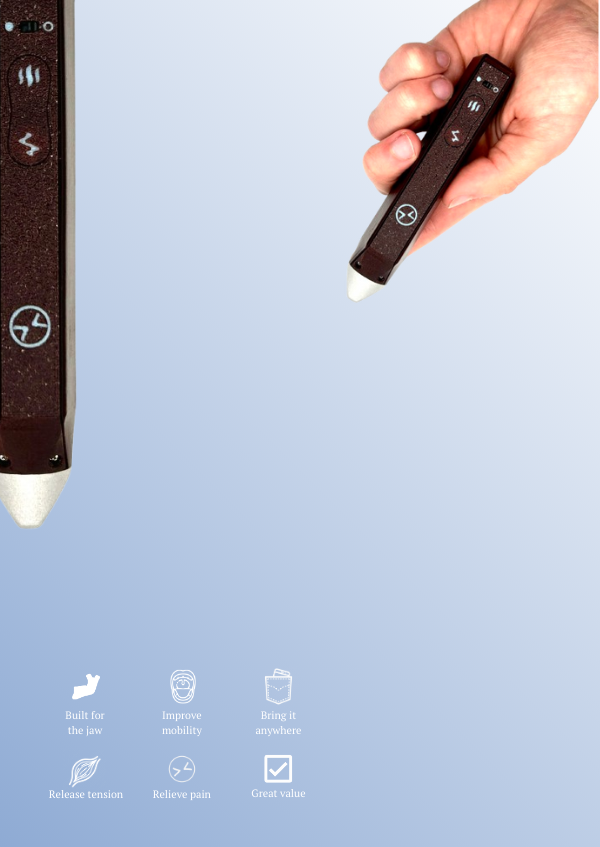
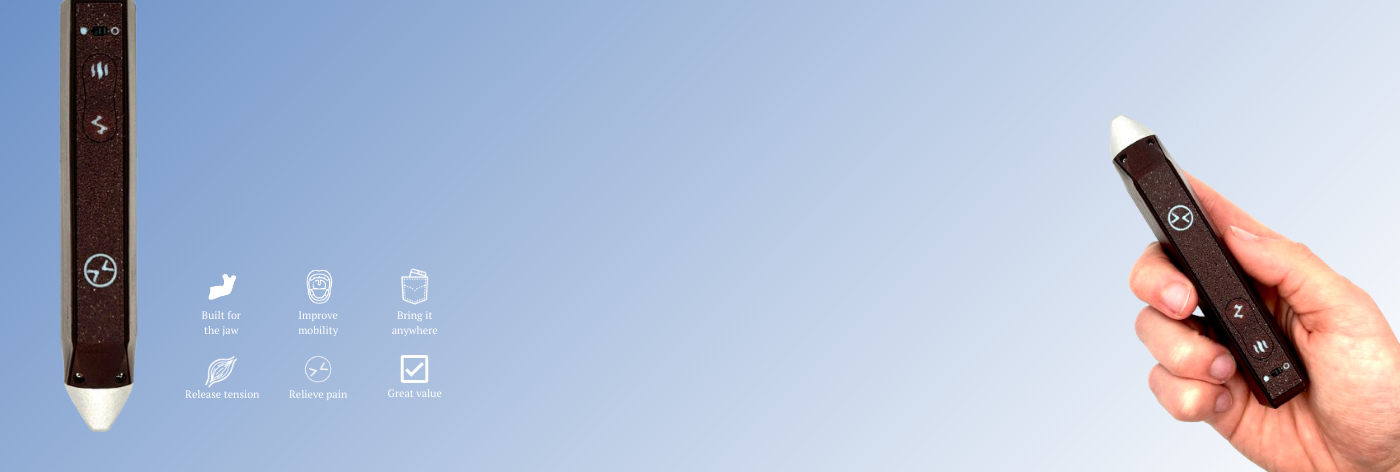
If you are dealing with TMJ-based lockjaw, the good news is that conservative at-home care can make a real difference, especially in the early stages. Jaw mobilization exercises, heat therapy, and myofascial release of the jaw muscles are the main tools here.
For a detailed walkthrough of what to actually do when your jaw locks, the post on how to unlock a locked jaw goes step by step through the process. And if you want a broader foundation of exercises to support long-term recovery, the easiest exercises for TMJ disorders is a good starting point.
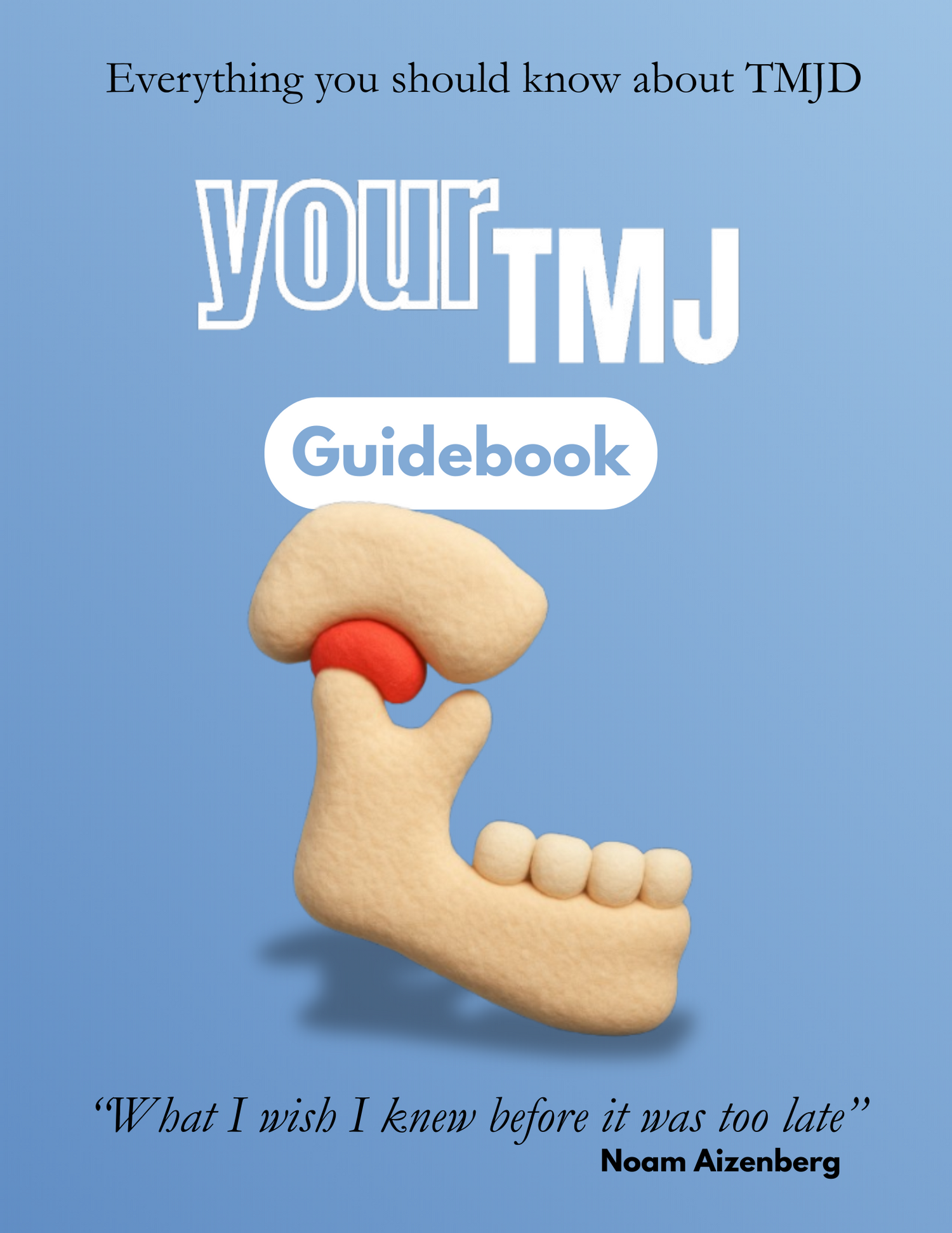
For a deeper dive into what TMJ disorder actually is, what causes it, and the full range of treatment options, the yourTMJ Guidebook is a free 76-page resource that goes well beyond what a single blog post can cover.
If your jaw has been locked for more than a few days, or if conservative approaches are not helping, it is worth seeing a dentist or physio with TMJ experience. Prolonged disc displacement can lead to changes in the joint tissue that are harder to reverse the longer they sit.
The bottom line: lockjaw is most often a TMJ problem, not a tetanus emergency. Understanding the difference is the first step toward actually addressing it.
Follow along on Instagram and the yourTMJ YouTube channel for more practical TMJ tips, exercises, and real stories from people who have been through it.