
Why Is TMJ Worse at Night? Your Top Questions Answered
Why is TMJ worse at night? This FAQ breaks down nighttime jaw clenching, sleep position, morning pain, and what you can actually do about it.

TMJ pain that spikes overnight and greets you first thing in the morning is one of the most common complaints people with jaw disorders have, and it makes complete sense once you understand what your jaw is doing while you sleep. The short version: a combination of nighttime clenching, sleep position, and the natural mechanics of a stressed jaw joint conspire to make the overnight hours the worst part of your TMJ day.

Why is TMJ worse at night?
For most people, it comes down to three things happening at once. First, you lose conscious control of your jaw muscles the moment you fall asleep, which means any clenching or grinding you do at night goes completely unchecked. Second, certain sleep positions press the jaw into the pillow or allow it to drop backward, compressing the joint. Third, the inflammatory byproducts that built up in your jaw muscles throughout the day have had hours to settle and stiffen by the time you wake up. The result is a joint that feels far worse in the morning than it did when you went to bed.
Why do I wake up with jaw pain every morning?
Morning jaw pain, sometimes called TMJ morning pain, is almost always a sign that something is happening during sleep that your waking self has no control over. The most common culprits are nighttime bruxism (clenching and grinding) and a sleep position that keeps the jaw retracted or compressed for hours at a stretch. Unlike daytime pain that tends to come and go, overnight pain is cumulative. You spend six to eight hours loading the joint in the same position with no breaks, and you wake up paying for it.
Is teeth grinding at night really that different from daytime clenching?
Yes, and in a way that matters a lot. Daytime clenching is usually triggered by stress or habit, and most people can learn to catch themselves doing it. Nighttime grinding, or nocturnal bruxism, is an involuntary behavior that happens during sleep and is driven by a completely different mechanism. Research points to airway instability and jaw instability as key drivers, not just stress. According to a Cleveland Clinic overview of temporomandibular disorders, bruxism is one of the most significant contributors to TMJ pain and joint loading. Because you are unconscious, the forces can be extreme and go on for long stretches without any of the micro-breaks your jaw gets during waking hours.
Does sleep position affect TMJ pain at night?
Absolutely, and this one tends to surprise people. Sleeping on your back allows gravity to pull your lower jaw, tongue, and soft tissues backward, which compresses the back of the joint and can also contribute to snoring and airway issues that feed into bruxism. Sleeping on your stomach is arguably worse because it forces your face to one side for hours, asymmetrically loading one joint over the other. The best position for TMJ is on your side, ideally with a pillow that supports your head without pushing your jaw forward or sideways in a forced way. It sounds minor, but the joint you sleep on takes hours of pressure every single night.

Why does my jaw feel stiff and locked up in the morning?
When a joint is compressed and loaded for hours without movement, inflammation accumulates and tissues stiffen. This is true of any joint in the body, but the TMJ is especially vulnerable because it is one of the most used joints you have and it rarely gets a true rest even during sleep if you are clenching. The stiffness you feel as jaw pain when waking up is partly inflammation that pooled overnight, and partly the muscles that have been tensed for hours finally signaling how overworked they are. A little gentle movement, like slowly opening and closing your mouth a few times before getting out of bed, can help work some of that stiffness out before you put any real load on the joint.
Can stress make TMJ worse overnight even if I am not consciously stressed?
Yes, and this is one of those things that genuinely catches people off guard. Cortisol, the body's primary stress hormone, does not neatly switch off when you go to sleep. For people under chronic stress, cortisol levels can stay elevated into the early morning hours, which keeps muscle tension higher than it should be during sleep. That tension feeds directly into clenching behavior and keeps the jaw muscles from fully relaxing overnight. If you want to dig into the stress connection more, Is TMJ Caused by Stress? covers why stress is more of an accelerant than a root cause, which is a useful distinction to understand before you assume stress is your whole problem.
Why does the clicking or popping in my jaw seem worse first thing in the morning?
Clicking and popping in the TMJ happen when the articular disc, the small cushion that sits between your jaw bone and your skull, is slightly out of position and your condyle pops in and out of it as you open and close. After hours of joint compression during sleep, especially if you have been clenching, that disc can sit in a more displaced position than usual by morning. The tissues are also stiffer, so there is less fluid movement in the joint. The result is louder, more frequent clicking until the joint warms up and gets moving again. If the clicking is getting progressively worse over time rather than just worse in the morning, that is worth paying attention to. You can read more about what TMJ disorder actually feels like to get a better sense of whether your symptoms fit the pattern.
Why does TMJ pain at night seem to affect my ears and head too?
The TMJ sits right in front of your ear canal, and the two structures share ligament connections and nerve pathways. When the joint is inflamed or the surrounding muscles are in spasm, that irritation can radiate into the ear, the temples, and even down into the neck. Nighttime is when this tends to peak because the clenching and positional compression have had hours to build up. Tension headaches and ear fullness that are at their worst in the morning are classic signs that the jaw system, not the ear or the head, is the actual source. If you are also dealing with ringing in your ears, Can TMJ Cause Tinnitus? is worth a read.
Is there anything I can actually do at night to reduce morning jaw pain?
A few things genuinely help. Sleeping on your side rather than your back or stomach removes a significant amount of positional compression from the joint. Setting an intention to keep your teeth slightly apart, rather than resting with the molars touching, reduces the likelihood of clenching at the moment you fall asleep even though you will lose that control once you are under. Applying heat to the masseter muscles before bed can help the muscles enter sleep in a more relaxed state, which lowers the baseline tension before any nighttime clenching even starts. Avoiding super chewy or crunchy foods in the evening also means your jaw muscles are not already fatigued going into the night. None of these are magic fixes, but stacking a few of them consistently makes a real difference. For a broader look at daily relief strategies, How Do I Relieve My TMJ? covers the practical toolkit in more detail.
Will TMJ morning pain ever get better on its own?
For some people, yes, especially if the underlying drivers like stress, posture, and clenching habits are addressed. For others, the morning pain is a sign that something structural in the joint needs attention and will not resolve without more targeted work. The honest answer is that TMJ is a spectrum, and morning pain alone does not tell you how serious your situation is without some understanding of what is happening inside the joint. What you do not want to do is chalk it up to sleeping weird and ignore it for years while the joint quietly accumulates more damage. If the pain is consistent and has been going on for more than a few weeks, it is worth taking seriously and getting some answers. Will TMJ Go Away? is a good next read if you are wondering what the realistic trajectory looks like.
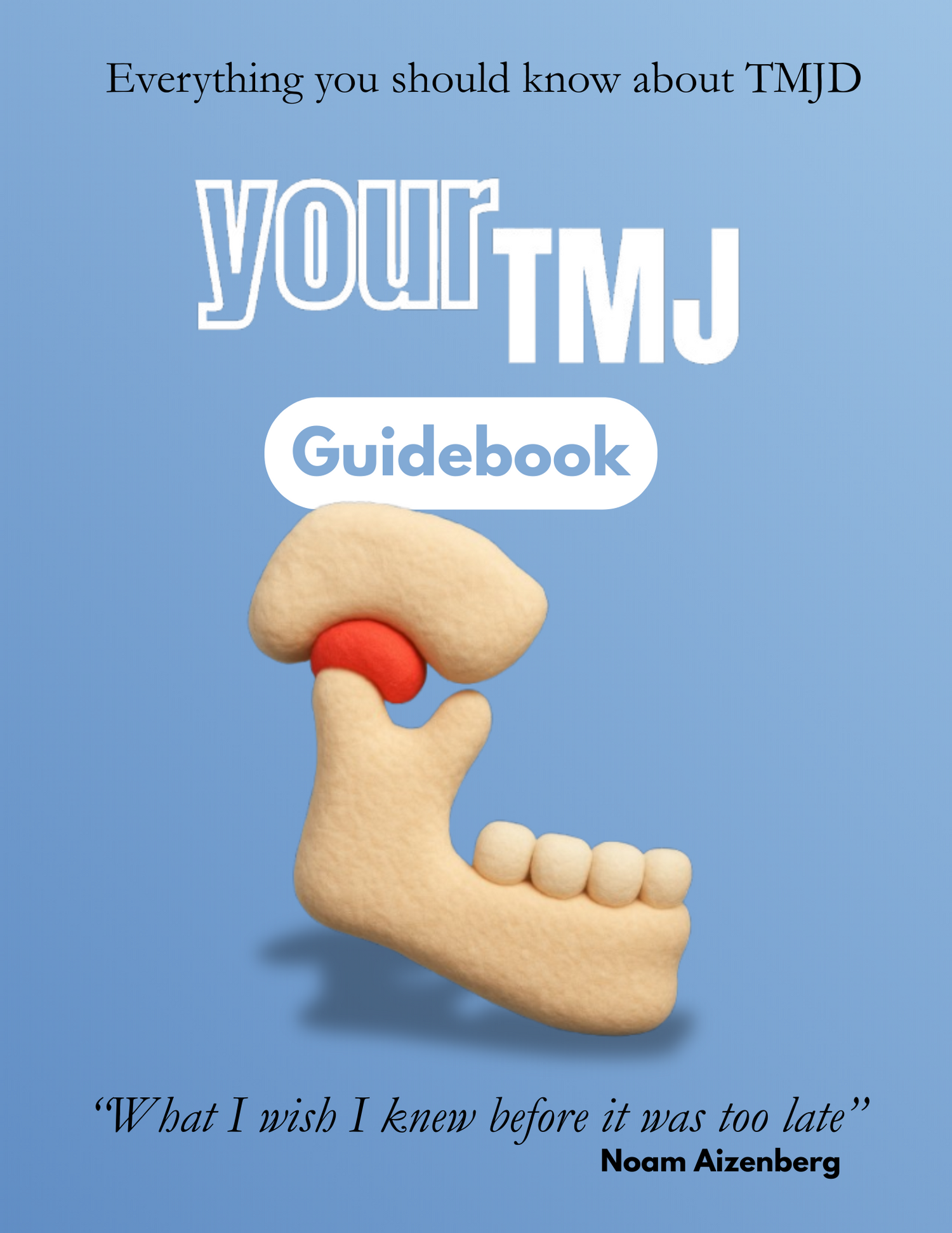
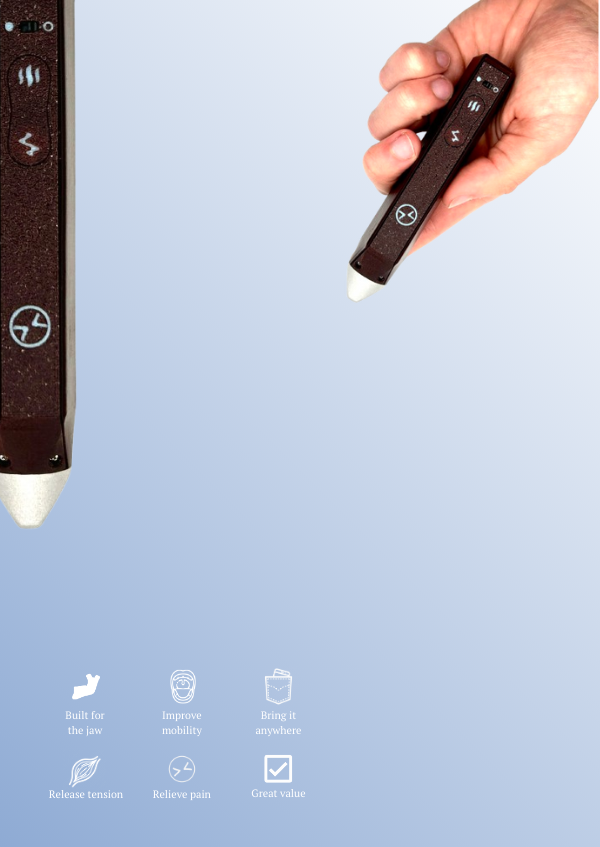
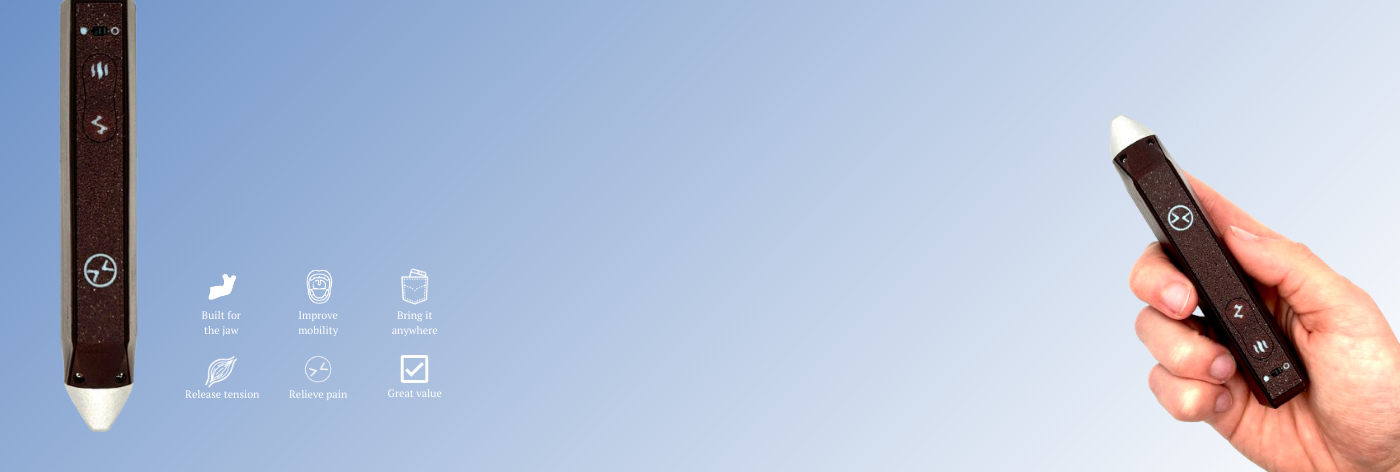
If you want to go even deeper into understanding what is happening in your jaw and what you can do about it, the yourTMJ Guidebook is a free 76-page resource that covers the anatomy, the root causes, and the full range of at-home treatment options in plain language. For people who are waking up in pain every single morning, it tends to be a genuinely useful place to start. And if you find that heat and self-massage help your morning symptoms, the yourTMJ Pen is the tool designed specifically for that kind of daily jaw muscle relief.
Follow along on Instagram for quick tips and real patient stories, and check out the YouTube channel for tutorials that show you exactly how to work on your jaw at home.